
Commercial Recycling Explained: Improving Source Separation Outcomes
2026, May
Effective recycling systems begin with proper source separation, helping businesses improve recovery rates, reduce contamination and minimise landfill waste.
What Is Source Separation?
Source separation refers to the process of sorting waste at the point of disposal into dedicated streams such as paper, cardboard, co-mingled recyclables, organics and general waste. This approach is a key part of modern commercial recycling systems and plays a major role in improving recovery outcomes.
When materials are correctly separated at the source, they are less likely to become contaminated, meaning a higher percentage can be recovered and reused instead of sent to landfill.
Benefits of Source Separation
Implementing effective source separation systems delivers significant operational and environmental benefits. These include improved recycling rates, reduced contamination, lower landfill disposal costs, and more accurate waste reporting.
It also supports businesses in meeting sustainability targets and compliance requirements while improving overall site efficiency and waste handling practices.
- Higher recycling rates
- Reduced landfill waste
- Lower disposal costs
- Reduced contamination
- Improved reporting accuracy
Improving Recycling Outcomes
Businesses that invest in structured recycling systems see measurable improvements in both environmental performance and operational efficiency. By reducing contamination and improving material recovery, organisations can significantly reduce waste sent to landfill while increasing recycling yields.
Over time, this creates a more sustainable and cost-effective waste management system.
Common Commercial Recycling Streams
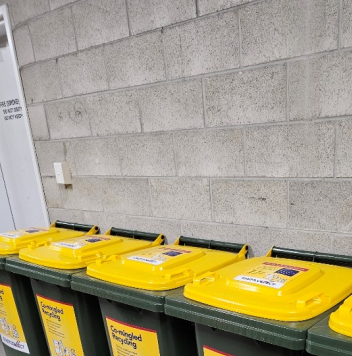
Commercial recycling systems typically involve multiple waste streams depending on the type of business and site operations. These commonly include paper and cardboard, co-mingled containers such as plastics, glass and metals, organic and food waste, and other dry recyclable materials generated through daily operations.
Each stream requires appropriate bins, collection systems and processing methods to ensure materials are recovered efficiently and in compliance with recycling standards.
How StadtCollect Supports Recycling Systems
StadtCollect works with commercial and industrial clients across Brisbane and South East Queensland to design and implement tailored recycling systems that improve source separation and recovery outcomes.
Through site assessments, customised bin systems, staff guidance and ongoing reporting, we help businesses optimise their recycling performance while ensuring compliance and operational efficiency.